


-

Add: HeBei ShengShi HongBang Cellulose Technology CO.,LTD.
-

Email
13180486930@163.com -

CONTACT US
+86 13180486930




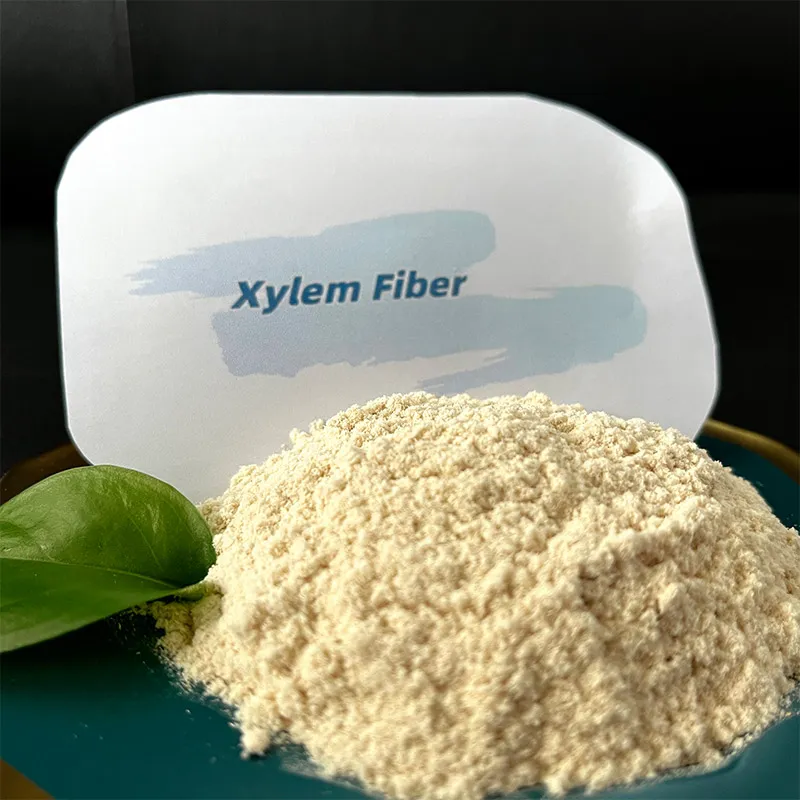
wood cellulose,xylem fiber,fibre made from wood pulp,cellulose extraction from wood,cellulose wood fibers is a key solution in the manufacturing industry, specifically within Paper and paper products industry and Pulp manufacturing. This article explores how HeBei ShengShi HongBang Cellulose Technology CO.,LTD. supports professionals with durable, high-performance products, and explains why this product is an ideal choice for businesses in these sectors. Table of Contents wood cellulose,xylem fiber,fibre made from wood pulp,cellulose extraction from wood,cellulose wood fibers Overview Benefits & Use Cases of wood cellulose,xylem fiber,fibre made from wood pulp,cellulose extraction from wood,cellulose wood fibers in Pulp manufacturing Cost, Maintenance & User Experience Sustainability & Market Trends in manufacturing Conclusion on wood cellulose,xylem fiber,fibre made from wood pulp,cellulose extraction from wood,cellulose wood fibers from HeBei ShengShi HongBang Cellulose Technology CO.,LTD. wood cellulose,xylem fiber,fibre made from wood pulp,cellulose extraction from wood,cellulose wood fibers Overview In pulp manufacturing, wood cellulose—often described as xylem fiber or cellulose wood fibers—forms the backbone of paper strength, formation, and runnability. As a fibre made from wood pulp, it is derived through controlled cellulose extraction from wood, typically via kraft or sulfite pulping, followed by mechanical refining, classification, and optional surface modification. The result is a clean, consistent fiber matrix engineered to optimize dry and wet strength, drainage, and filler retention across a wide range of grades. HeBei ShengShi HongBang Cellulose Technology CO.,LTD. supplies high-purity wood cellulose designed for industrial reliability and reproducibility. Typical technical parameters can include low ash content, neutral pH, controlled moisture, and tightly managed fiber length distribution to balance bonding with drainage. Many customers specify tailored properties—such as targeted freeness, fibrillation level, or brightness—to suit tissue, printing/writing, specialty, and packaging applications. For B2B decision makers, the relevance is clear: properly specified xylem fiber stabilizes wet-end chemistry, improves machine productivity, and reduces variability in downstream converting. Paired with application support from HeBei ShengShi HongBang Cellulose Technology CO.,LTD., mills can translate material performance into measurable operational gains and predictable product quality. Benefits & Use Cases of wood cellulose,xylem fiber,fibre made from wood pulp,cellulose extraction from wood,cellulose wood fibers in Pulp manufacturing Across pulp and paper operations, precision-engineered wood cellulose and xylem fiber deliver a portfolio of benefits. At the wet end, optimized fibrillation increases bonding potential, elevating tensile, SCT, and burst without excessive fines generation. These cellulose wood fibers also improve drainage and dewatering, supporting higher machine speeds and reduced steam demand in drying. In filled systems, they enhance filler retention and sheet formation, often enabling higher ash targets without compromising strength. Use cases include strength enhancement in recycled-fiber packaging, softness-to-strength balancing in tissue and towel, dimensional stability in printing/writing papers, and functional performance in specialty grades (from filtration papers to battery separators). When combined with starch, AKD/ASA, or synthetic latex systems, a fibre made from wood pulp can unlock synergistic strength and sizing performance. HeBei ShengShi HongBang Cellulose Technology CO.,LTD. brings process know-how that spans raw material selection, cellulose extraction from wood, and finishing operations that control fiber morphology. This expertise helps mills match fiber specifications to grade targets, seasonality, and furnish composition—minimizing trial time and accelerating ROI. Technical teams can advise on dosage windows, dispersion protocols, and compatibility with existing retention and wet-strength chemistries. Cost, Maintenance & User Experience Total cost of ownership for wood cellulose in pulp manufacturing hinges on more than price-per-ton. Mills evaluate the impact on chemical consumption, steam and power usage, machine runnability, and waste reduction. Consistent xylem fiber quality can reduce sheet breaks, stabilize basis weight, and increase first-pass retention—value drivers that translate into lower cost-per-ton of saleable paper. Operationally, modern cellulose wood fibers from HeBei ShengShi HongBang Cellulose Technology CO.,LTD. are engineered for easy handling. They are supplied in flow-friendly packaging with good dispersibility, reducing make-down time and minimizing equipment fouling. Customers in the Paper and paper products industry report smoother startups, predictable refiners’ energy profiles, and improved wet-end stability when switching to a fibre made from wood pulp with tighter spec control. From a user-experience standpoint, the combination of application support and reliable supply shortens trial cycles and limits unplanned downtime. The net effect is stronger, more uniform paper at equal or lower overall cost, plus the flexibility to pursue higher filler strategies or lighter basis weights—both proven pathways to enhanced ROI. Sustainability & Market Trends in manufacturing With demand growing for renewable, recyclable materials, wood cellulose is central to the industry’s decarbonization and circularity strategies. Derived from responsibly managed forests, xylem fiber aligns with market and regulatory expectations for bio-based content and improved end-of-life outcomes. As single-use plastics face increasing scrutiny, cellulose wood fibers enable new fiber-based packaging formats and barrier solutions without compromising performance. Regulatory momentum—from extended producer responsibility to evolving packaging directives—favors materials sourced through transparent cellulose extraction from wood. Mills increasingly seek suppliers who can support traceability, resource efficiency, and reduced environmental footprint. HeBei ShengShi HongBang Cellulose Technology CO.,LTD. invests in process improvements that target energy and water efficiency while prioritizing quality consistency. The company’s forward-thinking approach helps customers meet internal ESG targets and external compliance requirements. Market trends also point to premium growth in specialty papers, tissue, and lightweight packaging. By pairing application expertise with tailored fiber morphology, HeBei ShengShi HongBang Cellulose Technology CO.,LTD. helps producers innovate faster, reduce risk, and bring sustainable products to market at scale. Conclusion on wood cellulose,xylem fiber,fibre made from wood pulp,cellulose extraction from wood,cellulose wood fibers from HeBei ShengShi HongBang Cellulose Technology CO.,LTD. For pulp manufacturing leaders, wood cellulose—delivered as xylem fiber and other cellulose wood fibers—provides a proven route to higher strength, better runnability, and improved sustainability. With deep know-how in cellulose extraction from wood and precise control of fiber properties, HeBei ShengShi HongBang Cellulose Technology CO.,LTD. is a dependable partner for performance and value. Explore how a fibre made from wood pulp can unlock your next efficiency gain or product innovation. Contact us: email: 13180486930@163.com Visit our website: https://www.sshbhpmc.com
- 40000tons

Production
- 20+years

Experience
- 5000+㎡

Acreage

-
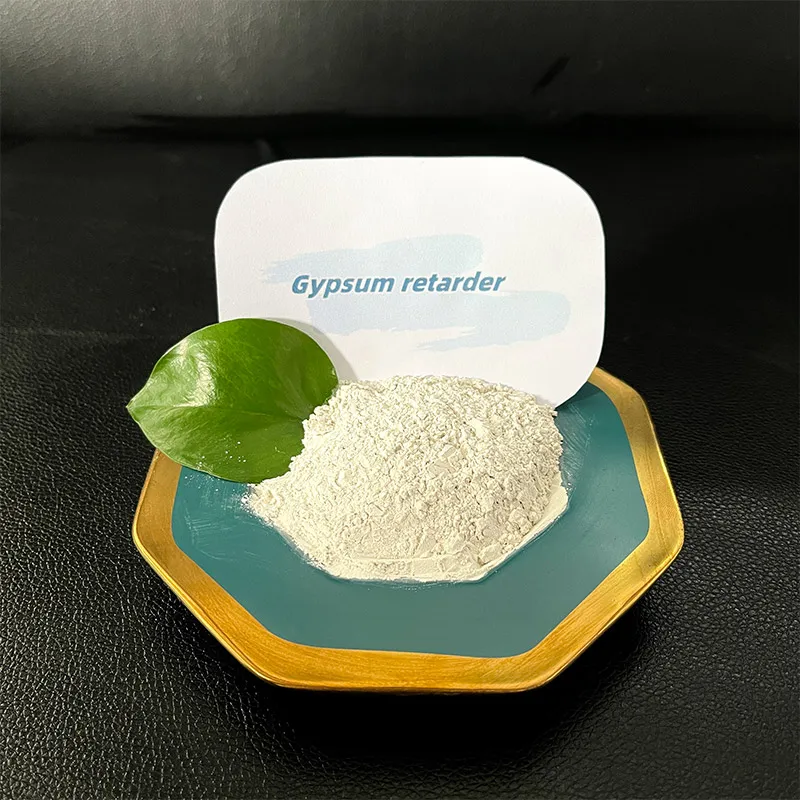
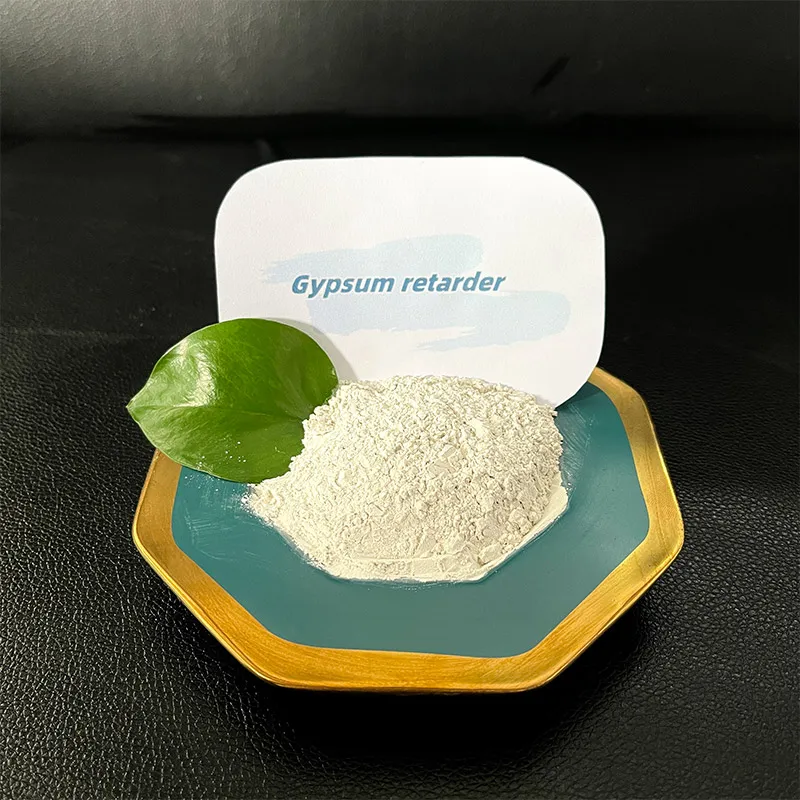
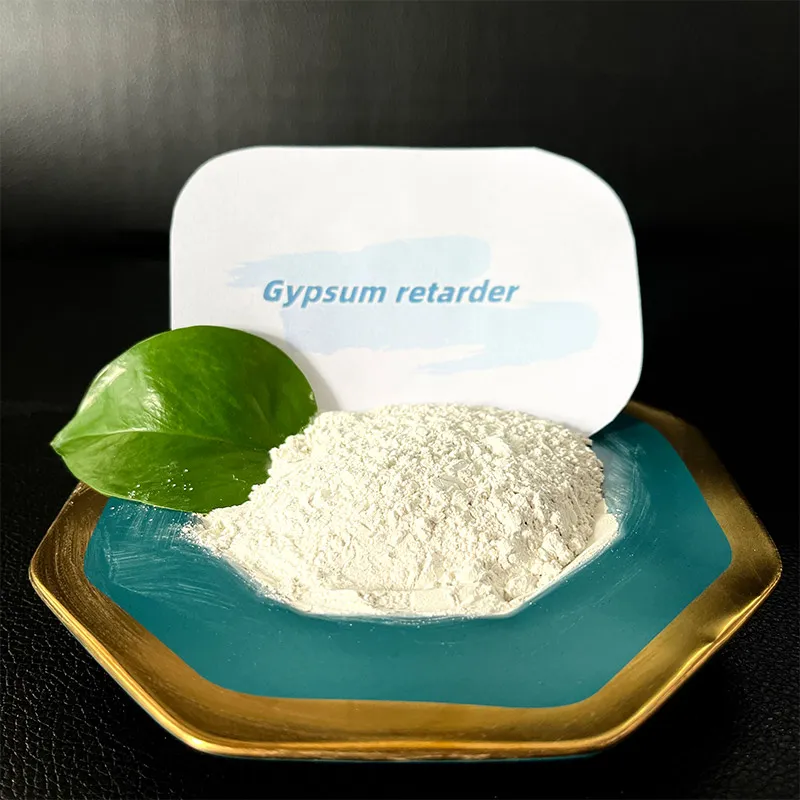
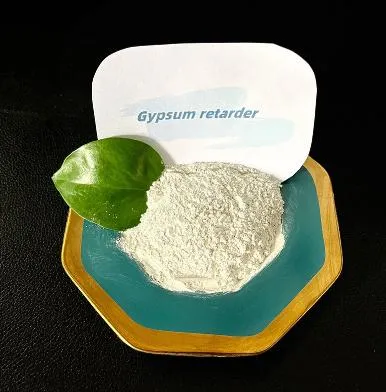
In the world of construction and renovation, the search for the perfect plaster retarder has led many professionals to explore a range of additives, among them, cream of tartar. Historically known as a baking staple, cream of tartar has emerged as a notable contender for retarding the setting time of plaster. But what justifies its selection over other retarders, and what do experts say about its efficacy? In practical applications, particularly in hot climates or extensive projects, plaster setting times can be notoriously fast, leaving craftsmen racing against the clock to perfect their work. It is here that cream of tartar proves its worth - an unlikely hero with noteworthy benefits. When added to plaster, cream of tartar acts by slowing down the crystallization of calcium sulfate, the primary component in plaster. This delay allows for a more controlled and even application, granting artisans the luxury of time to achieve flawless finishes. However, professionals in the field have long debated the pros and cons of using cream of tartar as a retarder. Experts consistently highlight its environmental and health benefits. Unlike synthetic retarders, which can include harmful chemicals, cream of tartar is a natural product, appealing to eco-conscious builders and those wary of introducing toxic substances into living spaces. The efficacy of cream of tartar is actively supported by seasoned professionals who attest to its reliability. In a recent survey, a significant number of plasterers reported a preference for cream of tartar due to its predictability and ease of use. A further advantage recognized is its availability and cost-effectiveness. Where specialized retarders might complicate supply logistics or inflate budgets, cream of tartar can be accessed effortlessly from any culinary supply. Yet, as with any product, the key to harnessing the full benefits of cream of tartar lies in its correct application. Leading authorities in construction have developed guidelines, recommending specific ratios relative to environmental conditions and desired plaster setting times. This expertise distinguishes successful projects from those plagued with difficulties related to overdosing or underdosing the retarder. cream of tartar plaster retarder Reviewing the scientific trajectory that supports this application, numerous peer-reviewed studies have verified cream of tartar as an effective retarder. Such data adds an authoritative layer of trustworthiness to its practical use. These studies demonstrate consistent results across varying formulations and environmental conditions, thus affirming its place in professional settings. Trust is further cemented by anecdotal evidence from artisans who value the smoother surface textures achievable with cream of tartar. Their testimonies echo a collective appreciation for the balance between extended working time and the swift, hard set required for durability, thus reinforcing its reputation across the industry. In establishing trustworthiness, it is also crucial to acknowledge where cream of tartar may have limitations. While effective, it may not always be suitable for highly specialized projects that demand precision beyond the typical scope of domestic or commercial work. Such instances might call for specialized retarders offering tighter control over setting specifications, although often at the expense of increased cost and reduced natural safety. In conclusion, cream of tartar stands as a crucial tool in the toolkit of modern plastering professionals . Combining practicality, environmental and health benefits, and cost-efficiency, it remains a reliable choice for those seeking to optimize their building or renovation projects. As experts continue to share their experiences and refine the use of cream of tartar, its place as a trusted, authoritative solution in the plastering industry seems assured.
-
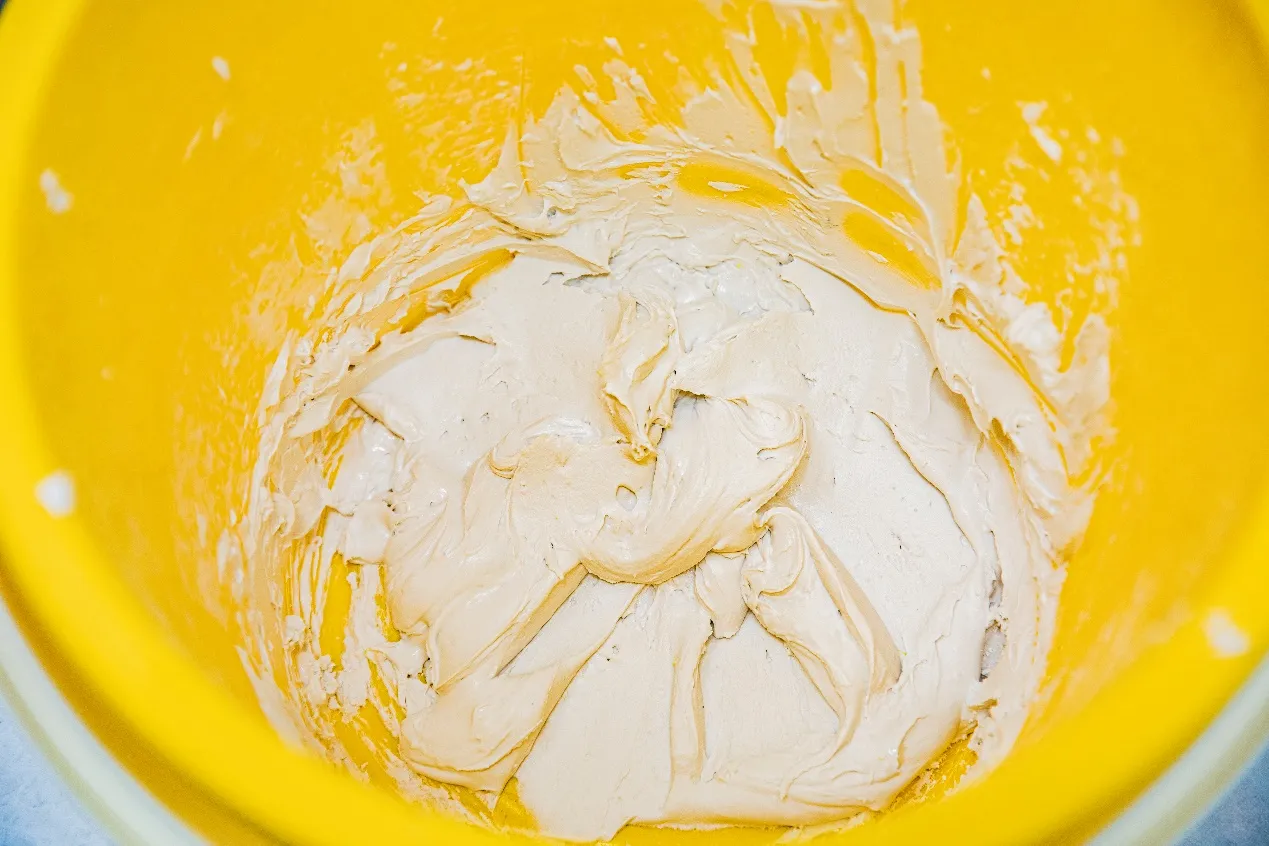
Hydroxypropyl Methyl Cellulose (HPMC) has emerged as a versatile material in various industries, offering unique properties that benefit a wide range of applications. In underwater concrete, it plays a critical role in improving the performance of the mixture. This article delves into the use of HPMC cellulose in underwater concrete, focusing on how it enhances durability, workability, and overall performance in challenging environments. HPMC Cellulose and Its Role in Underwater Concrete Mixes When discussing underwater concrete, it’s essential to highlight the importance of achieving the right consistency and strength under harsh conditions. HPMC cellulose significantly contributes to these properties by acting as a stabilizing agent. This particular form of cellulose is known for its water retention capabilities, which help keep the mixture workable for longer periods, especially in environments like underwater construction where the concrete is subjected to challenging pressures and varying temperatures. In underwater concrete, where the mixture is prone to washing out or segregation, HPMC ensures that the aggregates stay properly dispersed, leading to a more uniform and durable mix. By controlling the rate of hydration, HPMC cellulose prevents the early loss of moisture that could weaken the structure, making it an invaluable component in creating strong, resilient underwater concrete. The Role of HPMC Dextran in Enhancing Concrete Durability Another critical agent in underwater concrete is HPMC dextran . Combining HPMC with dextran, a complex sugar molecule, creates a modified form that enhances the concrete's ability to resist environmental stressors. Underwater construction sites often experience exposure to saltwater, which can significantly weaken concrete over time due to corrosion. With HPMC dextran , the concrete gains additional resistance to corrosion and chemical attack, extending the longevity of the structure. The presence of dextran in the mixture further improves the flowability of the concrete, making it easier to work with even under the most challenging conditions. This enhanced fluidity allows for better filling of complex molds and cracks in underwater environments, ensuring that the concrete cures effectively and remains durable. Using HPMC Dextran 70 for Specialized Underwater Concrete Applications For more demanding underwater projects, HPMC dextran 70 is the go-to choice. This specific grade of HPMC-dextran offers a higher molecular weight, providing superior thickening properties that contribute to even more stable concrete mixes. Whether constructing piers, bridges, or other submerged structures, HPMC dextran 70 provides the ideal viscosity for ensuring the mixture stays in place during application and hardens uniformly once in position. This enhanced viscosity also improves the handling of underwater concrete, reducing the risk of segregation and ensuring the mix remains intact as it sets. The higher molecular weight of HPMC dextran 70 contributes to increased water retention and slower curing rates, which are crucial in underwater applications where the setting time must be carefully controlled to avoid premature hardening or washout. HPMC Hydroxypropyl Methyl Cellulose: A Key Component for Enhanced Workability in Underwater Concrete The benefits of HPMC hydroxypropyl methyl cellulose go beyond simple moisture retention. This modified cellulose compound is known for its ability to improve workability, an essential factor when dealing with underwater concrete mixes. The concrete’s consistency directly impacts its ease of placement, particularly when pouring in deep or tight spaces underwater. By incorporating HPMC hydroxypropyl methyl cellulose , the mix maintains its workability, ensuring that the concrete can be easily manipulated and poured into molds or forms underwater. The material also contributes to an extended open time, which is especially beneficial for workers who need more time to finish and adjust the concrete before it sets. This additional flexibility is vital in large underwater projects where precision and timing are crucial. In conclusion, HPMC plays an indispensable role in the development of underwater concrete by improving its performance and longevity. Whether it's HPMC cellulose , HPMC dextran , HPMC dextran 70 , or HPMC hydroxypropyl methyl cellulose , these compounds are integral to creating concrete that can withstand the pressures and challenges of underwater environments. If you’re looking to achieve the highest standards in underwater concrete, consider integrating HPMC into your mix. Visit our website to explore more about our high-quality HPMC products and how they can revolutionize your construction projects.
advantages
-

200000 Viscosities
Excellent product
We can produce pure products up to 200,000 viscosities
-

40000 tons
High yield
We don’t stop production all year round, and the annual output can reach 40,000 tons
-

24 hours
Quality service
We provide 24-hours online reception service, welcome to consult at any time
———— Inquiry Form
Schedule A services
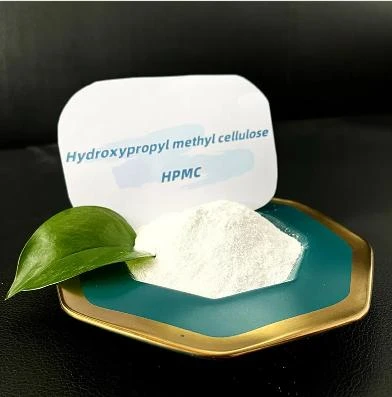
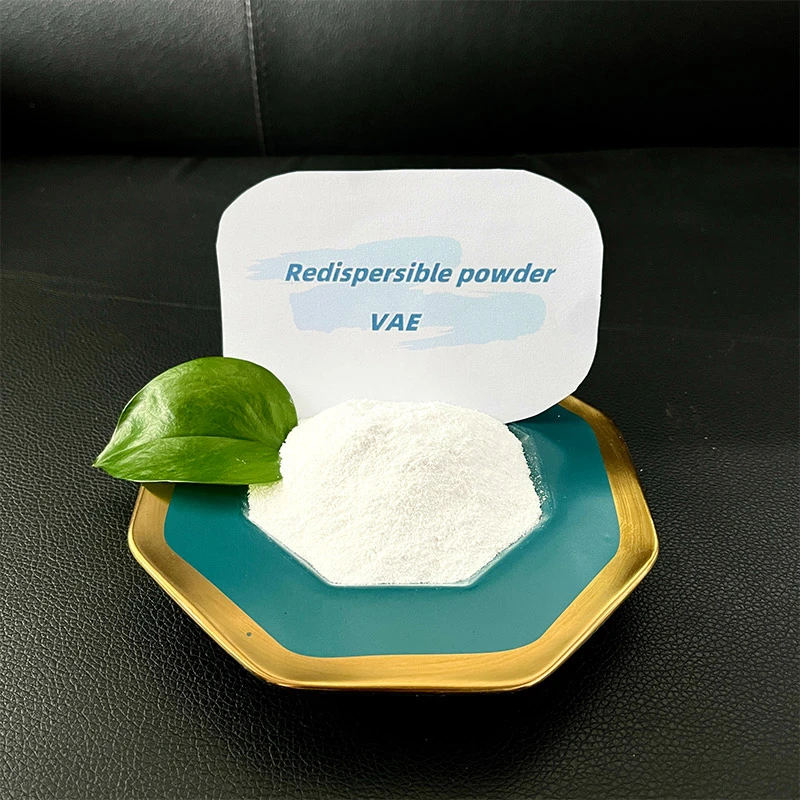
-
 hpmc_e5_solubility
Oct . 25, 2025
Hydroxypropyl methylcellulose (HPMC) has rapidly gained prominence in various industries due to its -
 hpmc_k4m
Oct . 25, 2025
Hydroxypropyl Methyl Cellulose Manufacturers An Overview Hydroxypropyl methyl cellulose (HPMC) is a -
 methocel_f4m
Oct . 25, 2025
HPMC Dextran is the innovative addition to the pharmaceutical excipients' domain that is capturing s


